Wood workmanship Byzantium
The wooden workmanship at the Byzantium
The centers of the Byzantine wooden workmanship which is not widely known are Istanbul, Antakya and Iskenderiye.
Today, there are...
Middle Volga
In addition to the 12-year animal cycle other calendars are also used in the region of Middle Volga. There is evidence that in the...
Byzantine calendar
After the adoption of Christianity, the Byzantine calendar “since the creation of the world” was implemented. As is known, that calendar sets the Beginning...
Isperih Asparuh
Three clans are mentioned in the Name List. In addition to the glorious clan Dulo of the founders of the state, Avitohol and Isperih...
Cyclical Calendar
The cyclical calendar, as an embodiment of the idea of the “eternal circle”, is also a possible solution to the difficult metaphysical problem of...
Gregorian calendar
The Julian and Gregorian calendars are the accepted conventions of measuring JL Linear Time today. The genesis-area I characteristics of any civilization, however,
I include...

The Topkapi Palace
The famous Ottoman historian Evliya Celebi describes the Topkapi Palace (Topkapi Sarayi) as “the loveliest sultanate palace that human skill could have created. One...
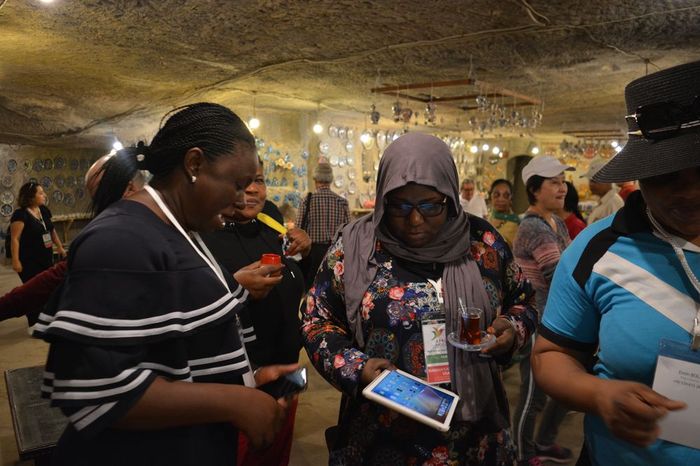
Kadikoy, Bostanci & Uskudar
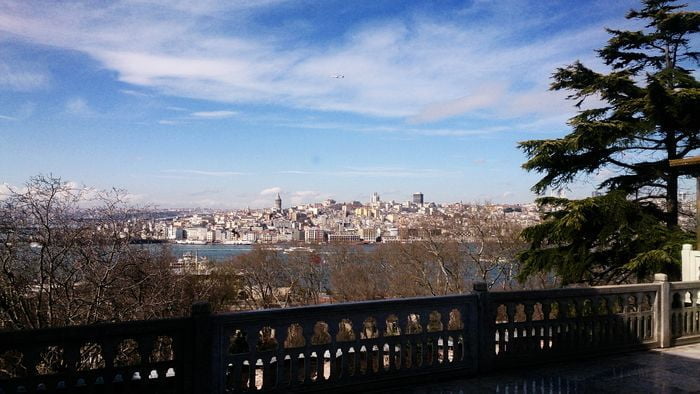
Istanbul is a matchless city on earth with its unique characteristic of setting the two continents apart.
The Bosporus which passes right through the middle...
Uftade & Ummu Sinan
Uftade (died 988/1580)
Uftade whose real name is Mehmed Muhyiddin was born in Bursa. He played an important role in the development of the Celvetie...
The smell of the history
The smell of the history in Kastamonu: izbeli Farm
The Izbeli Farm set up by the Sultan Mehmet 4. In 1651 to train cavalry soldiers...